ABSTRACT
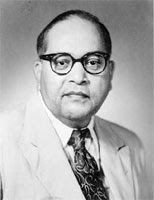
Bhimrao Ramji Ambedkar, also called Dr. Babasaheb Ambedkar in affection and respect, was born in 1891 in a Mahar Untouchable family and died in 1956 after a lifetime of service to his people and to India. His influence has spread throughout India and his image, a Western-dressed gentleman pointing to the future and carrying a book, is found in many villages and all cities. The book represents the Constitution of independent India. His followers know the facts of his life and are so reverential that one right wing critic called him a 'false God'. The word now used broadly for Untouchables, Tribals, and other low castes and classes is 'Dalit', which means ground down, but began a proud use in the 1970s with a literary movement called 'Dalit Sahitya', made famous at first by the 'Dalit Panthers' named in reference to the militant American 'Black Panthers'. Like the word 'Black', it can be a source of controversy today. The term coined by Mohandas K. Gandhi, 'Harijan' or people of God, was resented by Ambedkar as patronizing, and the two also clashed over the idea of separate electorates for untouchables; Gandhi's win is still resented by some as depriving Dalits of their chosen leaders. Dr. Ambedkar's influence may be seen in literature, in educational and political institutions, in a massive Buddhist conversion, and in increased pride and self-confidence among Dalits.